Anxiety Treatment in Utah | Neurofeedback, Therapy & Lasting Relief
Anxiety can feel overwhelming—but it’s also highly treatable.
At Utah Therapy Works, we help individuals understand and regulate anxiety at its source, not just manage the symptoms. Whether you’re dealing with constant worry, panic attacks, or a persistent sense of unease, our goal is simple: help your brain and body feel safe again.
Info@utahtherapyworks.com
What is anxiety?
Anxiety is a natural human response designed to keep you alert and safe. It’s part of your brain’s fight-or-flight system, helping you respond to stress or potential danger.
But when anxiety becomes constant, overwhelming, or disconnected from actual danger, it can interfere with your ability to function in daily life.
Normal Anxiety vs Anxiety Disorder
- Normal: Temporary, situational, and manageable
- Anxiety Disorder: Persistent, excessive, and disruptive
If anxiety is showing up most days, across multiple situations, it may be time to seek support.
Signs and symptoms of anxiety
Anxiety doesn’t just live in your thoughts—it shows up in your body, emotions, and behaviors.
Common symptoms include:
Many clients say:
| “My mind won’t shut off” or “I feel stuck in overdrive.”
That’s not a lack of willpower—it’s a nervous system that’s dysregulated.
Types of Anxiety Disorders
Anxiety isn’t one-size-fits-all. It can show up in different patterns:
Generalized Anxiety (GAD)
Ongoing, excessive worry about everyday life.
Trauma-Related Anxiety (PTSD)
Anxiety triggered by past experiences or memories.
Social Anxiety
Fear of judgment or embarrassment in social situations.
Obsessive-Compulsive Patterns (OCD)
Intrusive thoughts paired with repetitive behaviors.
Panic Disorder
Sudden, intense episodes of fear with physical symptoms.
What Causes anxiety?
There isn’t a single cause of anxiety—it’s usually a combination of factors:
- Brain & Nervous System Patterns
- Overactive fear circuits or dysregulated brainwaves
- Life Experiences
- Trauma, chronic stress, or major transitions
- Learned Responses
- Your brain associating certain environments with danger
- Biological Factors
- Genetics and brain chemistry can play a role
Anxiety is not just psychological—it’s neurological and physiological.
That’s why effective treatment often goes beyond talk therapy alone.
How we treat anxiety
At Utah Therapy Works, we focus on root-cause treatment, not just symptom management.
Primary Treatment Options
Neurofeedback
Train your brain to move out of chronic overactivation and into a more balanced state.
- Improves emotional regulation
- Reduces hypervigilance
- Helps the brain “reset” patterns of anxiety
TMS (Transcranial Magnetic Stimulation)
A non-invasive treatment that targets brain regions involved in anxiety and mood.
EMDR & Trauma Therapy
Helps process unresolved experiences that may be driving anxiety responses.
Talk Therapy (CBT, Integrative Approaches)
Build awareness, coping strategies, and cognitive flexibility.
What makes our approach different
Brain-Based Treatment
We work directly with the nervous system—not just thoughts.
Personalized Care
Every brain is different, so your treatment is tailored to you.
Faster, Deeper Results
Many clients experience meaningful change faster than traditional therapy alone.
What anxiety feels like
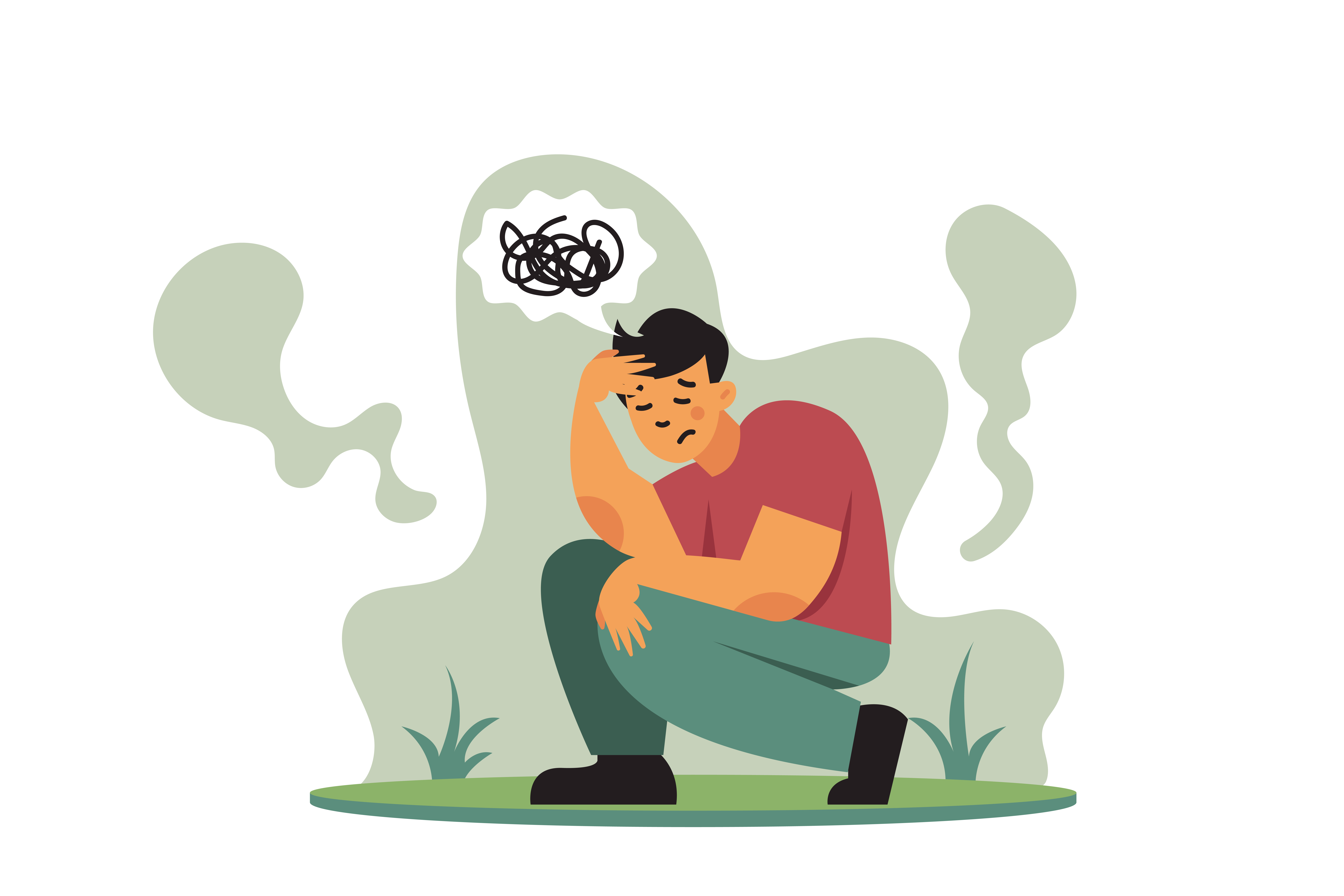
If you’re struggling with anxiety, you might feel:
- Constantly “on edge” or unable to relax
- Mentally exhausted but physically wired
- Stuck in worst-case-scenario thinking
- Avoidant of situations that didn’t used to bother you
- Disconnected from yourself or others
You’re not alone—anxiety disorders are among the most common mental health challenges worldwide.
When to seek help
It may be time to reach out if:
- Anxiety interferes with work, relationships, or daily life
- You’re avoiding situations because of fear
- You experience frequent panic attacks
- You feel stuck despite trying to manage it on your own
You don’t have to wait until things feel “severe.”
Early support often leads to faster, more effective results.
Frequently Asked Questions
The most effective treatment depends on the individual, but a combination of brain-based approaches (like neurofeedback), therapy, and sometimes medication is often recommended.
Both. Anxiety involves brain activity, nervous system regulation, and thought patterns.
Not always. Many people improve significantly with non-medication approaches.
Mild anxiety can improve, but persistent anxiety often requires targeted support to fully resolve.
Some clients notice improvements within weeks, though deeper, lasting change typically occurs over a few months.
It can become more severe over time and impact physical health, relationships, and quality of life.
Find Relief from Anxiety Starting Now
You don’t have to keep living in a constant state of stress or overwhelm.
At Utah Therapy Works, we help you retrain your brain, regulate your nervous system, and regain control of your life.