Adhd therapy in orem, Utah
Support for Children, Teens, and Adults with Attention & Executive Functioning Challenges
ADHD is a neurodevelopmental condition that affects attention, impulse control, emotional regulation, and working memory. At Utah Therapy Works, we provide compassionate, evidence-based ADHD therapy that helps individuals and families build skills, confidence, and resilience.
What is ADHD?
Attention-Deficit/Hyperactivity Disorder (ADHD) is a neurodevelopmental condition most often identified in childhood, though it frequently continues into adolescence and adulthood.
Individuals with ADHD experience ongoing difficulties with attention, impulse control, activity level, and executive functioning. While all children may be energetic or distracted at times, ADHD symptoms are more intense, persistent, and disruptive to daily functioning.
ADHD is not a behavioral problem or a lack of effort—it reflects differences in how the brain develops and regulates attention and self-control.
ADHD At a Glance
Signs & Symptoms of Adhd
Inattention
- Difficulty focusing on details
- Trouble sustaining attention during tasks or play
- Appears not to listen when spoken to
- Difficulty following instructions
- Poor organization and time management
- Avoids sustained mental effort
- Frequently loses items
- Easily distracted
- Forgetful in daily activities
Hyperactivity & impulsivity
- Frequent fidgeting or restlessness
- Difficulty staying seated
- Excessive movement or activity
- Difficulty engaging quietly
- Appears constantly "on the go"
- Excessive talking
- Interrupts or blurts out answers
- Difficulty waiting turn
- Intrudes on others
HOW Adhd is Diagnosed
ADHD Diagnostic Criteria
ADHD symptoms can overlap with anxiety, depression, learning differences, trauma, and sleep disorders. For this reason, diagnosis requires careful evaluation.
A comprehensive ADHD assessment may include:
Clinical interviews and developmental history
Standardized symptom rating scales
Input from parents, teachers, or caregivers
Evaluation across multiple environments
To meet criteria for ADHD, Children under 16 must meet 6 symptoms per category; individuals 17 and older must meet 5 symptoms in conjunction with the following conditions:
- Symptoms persist for at least 6 months
- Symptoms appear before age 12
- Symptoms occur in two or more settings
- Symptoms impair social, academic, or work functioning
- Symptoms are not better explained by another condition
Diagnosis is based on criteria from the DSM-5 and may be made by licensed mental health professionals or qualified medical providers.
Types of ADHD
Predominately Inattentive Type
Difficulty with attention, organization, follow-through, and memory, without significant hyperactivity.
Predominantly Hyperactive-Impulsive Type
Excessive movement, impulsivity, and restlessness, with fewer attention-related symptoms.
Combined Type
A combination of both inattentive and hyperactive-impulsive symptoms.
How ADHD Can Impact Daily Life
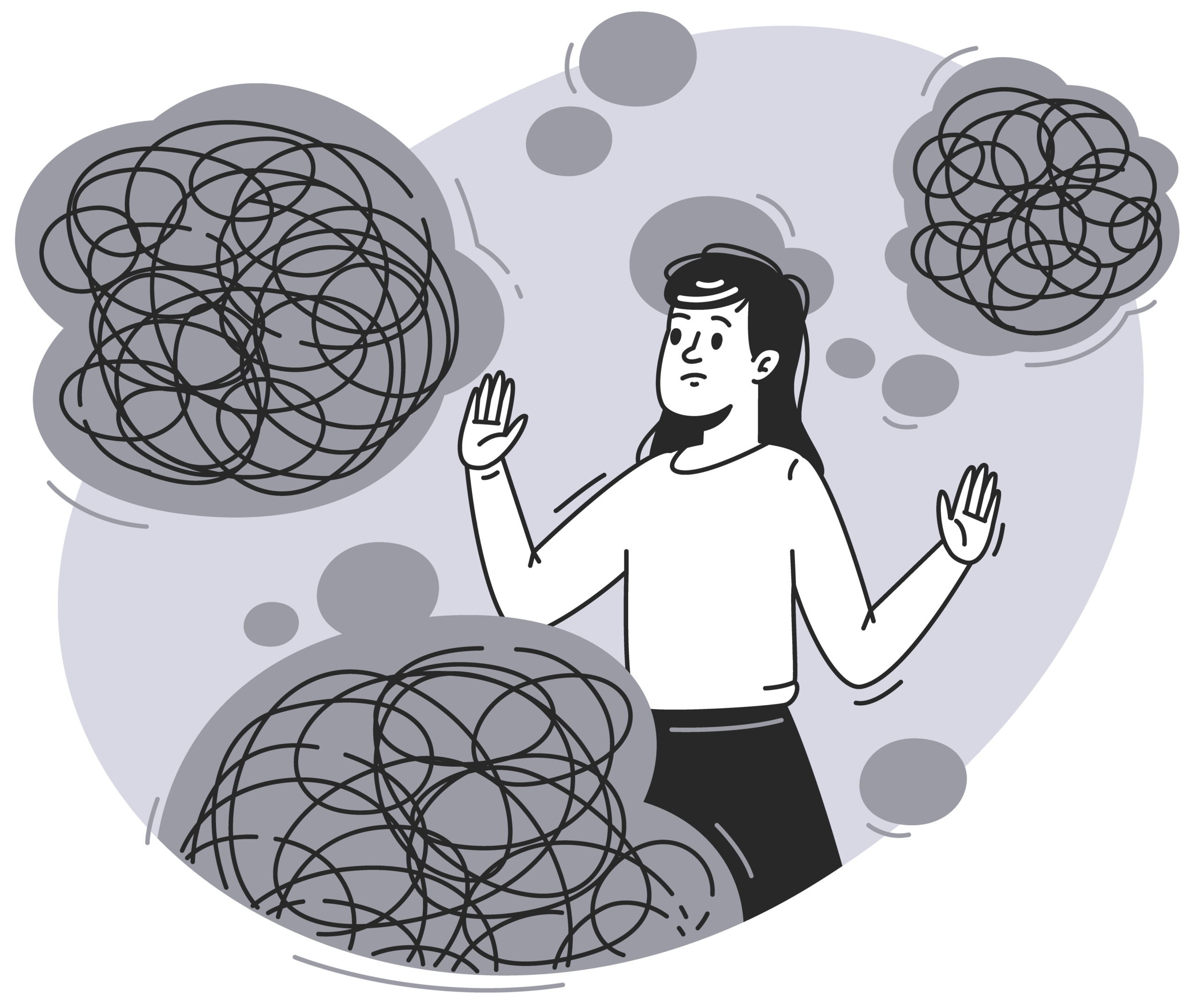
ADHD can affect individuals in many ways, including:
ADHD affects not only the individual, but also families, classrooms, and relationships.
Causes & Co-Occurring Conditions
The exact cause of ADHD is not fully understood. Research suggests contributing factors may include genetics, brain development differences, mild brain injury, or environmental influences.
ADHD commonly co-occurs with:
- Anxiety disorders
- Learning differences
- Oppositional defiant disorder
- Mood disorders
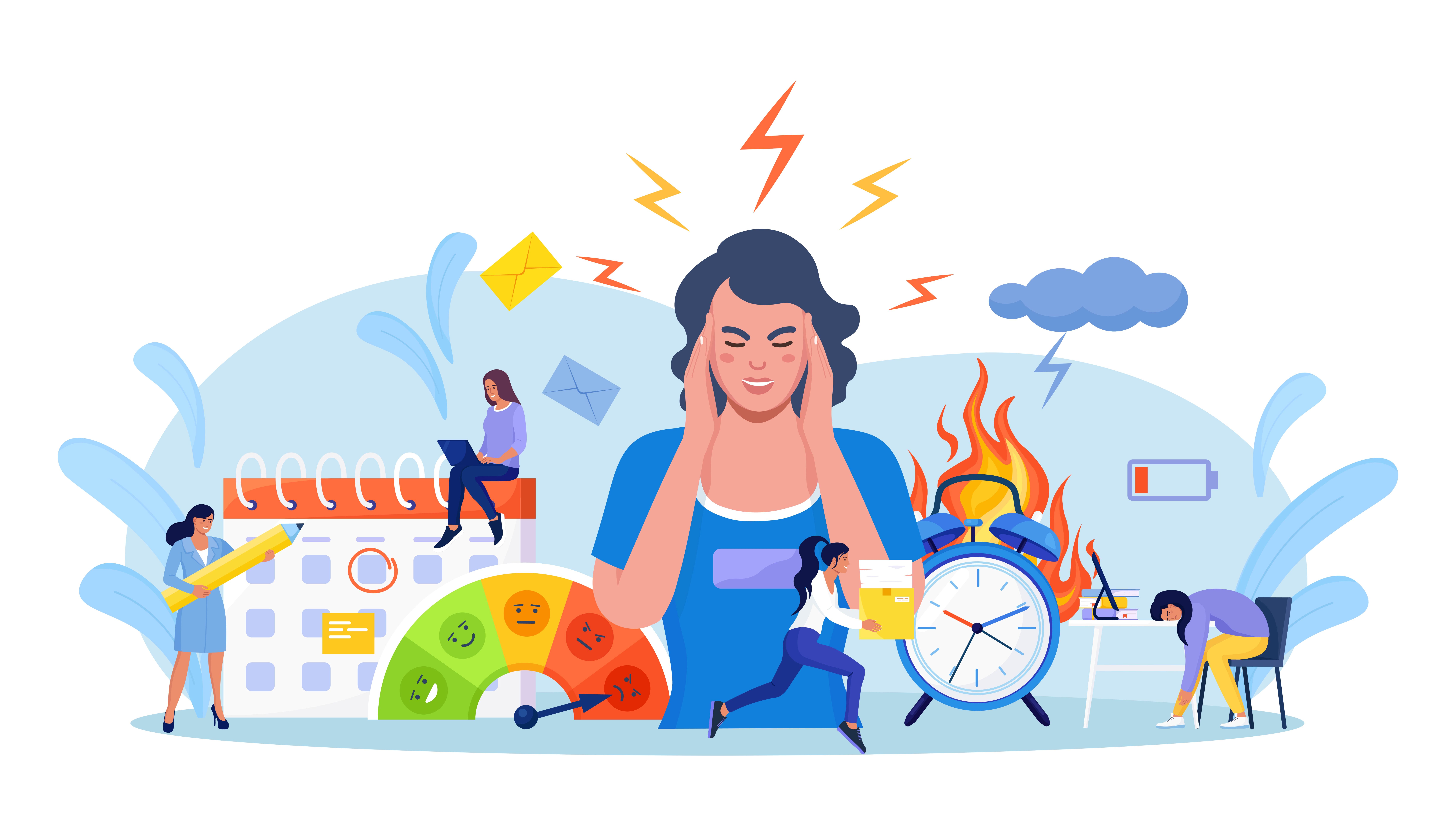
Adhd treatment options
Neurofeedback uses real-time monitoring of brain activity to help the brain improve self-regulation, attention, and executive functioning. At Utah Therapy Works, qEEG brain mapping and individualized protocols may be used to identify dysregulated brainwave patterns associated with ADHD symptoms such as distractibility, impulsivity, disorganization, and mental restlessness.
Therapy for ADHD often focuses on developing practical skills while reducing shame, frustration, and overwhelm. Treatment may include: executive functioning skills, emotional regulation strategies, anxiety management, cognitive behavioral therapy (CBT), self-esteem and identity support, parent coaching and family support
Utah Therapy Works also utilizes biofeedback approaches such as Heart Rate Variability (HRV) training to help regulate the nervous system and improve stress tolerance. HRV training may support individuals with ADHD who struggle with emotional reactivity, anxiety, overwhelm, or chronic stress.
For some individuals, trauma and chronic stress can overlap with or intensify ADHD symptoms. Utah Therapy Works takes a trauma-informed approach that considers the whole nervous system rather than focusing only on behavior management. Depending on the individual’s needs, treatment may incorporate: EMDR, DNMS (Developmental Needs Meeting Strategy), BWRT, Somatic and nervous system regulation approaches.
Every brain is different. Some individuals benefit most from therapy and skill-building, while others respond well to neurofeedback, nervous system regulation work, or combined approaches.
Our goal is not simply symptom reduction—it is helping individuals with ADHD better understand themselves, build confidence, and function more effectively in everyday life.
FAQs
Yes. ADHD frequently continues into adulthood, though symptoms may look different.
Not always. Many individuals benefit from therapy, skill-building, and environmental supports.
Yes. Proper assessment is essential.
No. ADHD is a neurodevelopmental condition.
Get ADHD Support in Utah
If you or your child are struggling with attention, impulsivity, or executive functioning challenges, help is available.